 SENSE INSIDER Personal Finance, Smart Investing & Budgeting Tips
You have been driving the car for two or three years. You know its quirks, its comfortable seat position, and exactly how it handles on the highway. Now your lease is ending and the dealership wants it back. But here is the thing that you do not want to give it up. That is where a lease buyout loan comes in.
This guide will walk you through everything you need to know about lease buyout loans: how they work, what rates look like, how to qualify, and most importantly, whether buying out your lease is actually a smart financial decision. By the end, you will have a clear picture of what to do next and the confidence to act on it.
What Is a Lease Buyout Loan?
A lease buyout loan is a type of financing that lets you purchase the vehicle you have been leasing rather than returning it to the dealership at the end of your lease term. Instead of handing over the keys and walking away, you borrow money from a lender like a bank, credit union, or online lender to cover the buyout price of the car, and then repay that loan in monthly installments over an agreed period.
Think of it like a standard auto loan, except instead of buying a car from a lot, you are buying the car already sitting in your driveway.
How Is the Buyout Price Determined?
When you signed your lease, the contract included a figure called the residual value. This is the estimated worth of the vehicle at the end of the lease. The residual value is your starting point for the buyout price.
In some cases, especially when used car prices are high, the residual value can actually be lower than what the car is currently worth on the open market. That situation works in your favor because you would be buying the car for less than its market value.
Your leasing company may also add fees to the buyout price, such as a purchase option fee or documentation charges. Always ask for a complete breakdown before signing anything.
How Does a Lease Buyout Loan Work?
The process of getting a lease buyout loan is more straightforward than most people expect. Here is how it typically unfolds, step by step.
Step 1: Review Your Lease Agreement
Pull out your lease contract and look for the residual value and any buyout-related fees. This gives you a target number — the total amount you will need to finance.
Step 2: Check the Car’s Market Value
Before committing to a lease buy out, compare the buyout price against the car’s current market value using tools like Kelley Blue Book or Edmunds. If the buyout price is significantly higher than market value, walking away may make more financial sense.
Step 3: Shop for Lease Buyout Loans
Do not just accept whatever financing the dealership or leasing company offers. Banks, credit unions, and online lenders all offer lease buyout loans, and rates can vary considerably. Getting two or three quotes takes less than an hour and could save you hundreds of dollars in interest over the life of the loan.
Step 4: Apply and Get Approved
Once you choose a lender, you submit a loan application. The lender will review your credit score, income, debt-to-income ratio, and the vehicle’s value. Approval can happen within a few hours to a couple of business days.
Step 5: Complete the Purchase
After approval, your lender pays the leasing company directly. The title transfers into your name, and you begin making monthly loan payments to your new lender. You are now the owner of the car you have been driving.
Lease Buyout Loan Rates: What to Expect
Lease buyout loan rates are influenced by several factors, including your credit score, the loan term, the lender you choose, and broader economic conditions. In general, rates for lease buyout loans follow similar patterns to traditional auto loan rates.
Here is a rough breakdown of what borrowers typically see:
| Credit Profile | Estimated APR Range |
| Excellent credit (750+) | 5% to 7% |
| Good credit (700-749) | 7% to 10% |
| Fair credit (650-699) | 10% to 15% |
| Poor credit (below 650) | 15%+ or difficult to qualify |
Fixed vs. Variable Rates
Most lease buyout loans carry fixed interest rates, meaning your monthly payment stays the same throughout the repayment period. This predictability is a real advantage when budgeting. Variable-rate options exist but are far less common for this type of financing.
Loan Terms
Lease buyout loan terms typically range from 24 to 72 months. A shorter term means higher monthly payments but less total interest paid. A longer term keeps monthly payments lower but increases the overall cost of the loan. Running the numbers for a few different term lengths before choosing one is well worth the few extra minutes it takes.
Is It Worth It to Buy Out Your Lease?
This is the question that keeps a lot of people up at night — and the honest answer is: it depends. Here are the key scenarios where a lease buyout genuinely makes sense, and a few where it does not.
When a Lease Buyout Makes Sense
You love the car and trust its reliability. You know this vehicle’s history intimately. No surprises, no hidden damage. That peace of mind has real value.
The residual value is lower than market value. If you can buy the car for less than it would cost on the open market, you are getting a deal. This has been a notable situation in markets where used car prices have run high — something many drivers in the US, UK, Canada, and Australia have experienced in recent years.
You have exceeded your mileage limit. Returning a leased car when you have gone over the mileage allowance triggers penalty fees that can add up fast. Buying the car eliminates those charges entirely.
You have made modifications to the vehicle. If you have added accessories or made changes that the leasing company would charge you for upon return, buying the car sidesteps those costs.
You want to avoid the hassle of starting over. Shopping for a new car, negotiating a new lease, and adjusting to a different vehicle takes time and energy. Sometimes sticking with what works is the smarter play.
When a Lease Buyout May Not Be Worth It
The buyout price exceeds the car’s current market value. If the residual value was set optimistically and the car is now worth less, you would be overpaying. Walk away and find a better deal elsewhere.
The car has significant mechanical issues. A leased car that has given you trouble is not one you want to own long-term. Returning it shifts those costs back to the leasing company.
You can get a better vehicle for a similar monthly payment. Run the numbers on a new lease or purchase. Sometimes the math simply favors moving on.
How to Qualify for a Lease Buyout Loan
Lenders evaluate lease buyout loan applications the same way they assess any auto loan. Understanding what they look for helps you prepare and put your best foot forward.
Credit Score
Your credit score is the single most influential factor. Most lenders prefer a score of at least 650, though the best lease buyout loan rates are reserved for borrowers with scores above 700. If your score has some room for improvement, even paying down a credit card balance before applying can make a meaningful difference. For a detailed look at credit score requirements for vehicle financing, check out What Credit Score Do You Need to Lease a Car in 2026?
Debt-to-Income Ratio
Lenders want to know you can handle a new monthly obligation. A debt-to-income (DTI) ratio below 40% is generally considered acceptable, with below 36% being ideal.
Employment and Income Stability
Steady employment and a verifiable income history reassure lenders that you are a low-risk borrower. Self-employed applicants may need to provide additional documentation such as tax returns or bank statements.
Vehicle Age and Mileage
Some lenders place restrictions on financing older vehicles or those with very high mileage. If your leased car is several years old or has racked up significant miles, this may narrow your lender options.
Tips to Strengthen Your Application
- Pay down existing debt before applying
- Avoid opening new lines of credit in the weeks before you apply
- Consider a credit union, which often offers more favorable rates than traditional banks
- Bring a co-signer if your credit is on the lower end
If you have had credit challenges in the past, it is still possible to move forward. 7 Proven Ways to Lease a Car with Bad Credit (Even If You’ve Been Denied) offers practical strategies that apply broadly to vehicle financing situations.
Where to Get a Lease Buyout Loan
You have more options than you might think, and shopping around is genuinely important. Here is a quick rundown of your best choices.
Credit Unions
Credit unions are member-owned financial institutions that often offer the lowest interest rates on auto loans, including lease buyouts. If you are already a member of a credit union, that is your first call. If you are not, many allow you to join with a small deposit.
Banks
Large national banks and regional banks both offer lease buyout financing. If you have an existing relationship with your bank, you may qualify for a loyalty rate discount. Always compare the final APR, not just the advertised rate.
Online Lenders
Online lenders have made the auto loan process faster and more competitive. Companies like LightStream, PenFed, and Capital One Auto Finance regularly offer competitive lease buyout loan products. The application process is entirely digital and often produces same-day decisions.
The Dealership or Leasing Company
Your dealership or leasing company will almost certainly offer you financing. Accept their quote — but use it as a baseline, not a final answer. Third-party lenders frequently beat dealer financing, especially for borrowers with solid credit.
A Note for Readers Outside the US
If you are in the UK, Canada, or Australia, the lease buyout process works similarly, though the specific lenders, terminology, and regulations will differ. In the UK, Personal Contract Purchase (PCP) agreements function similarly to US leases. In Canada and Australia, novated leases and chattel mortgages come into play. Always consult a local financial advisor or broker to navigate country-specific rules.
Managing the Cost of Your Lease Buyout Loan
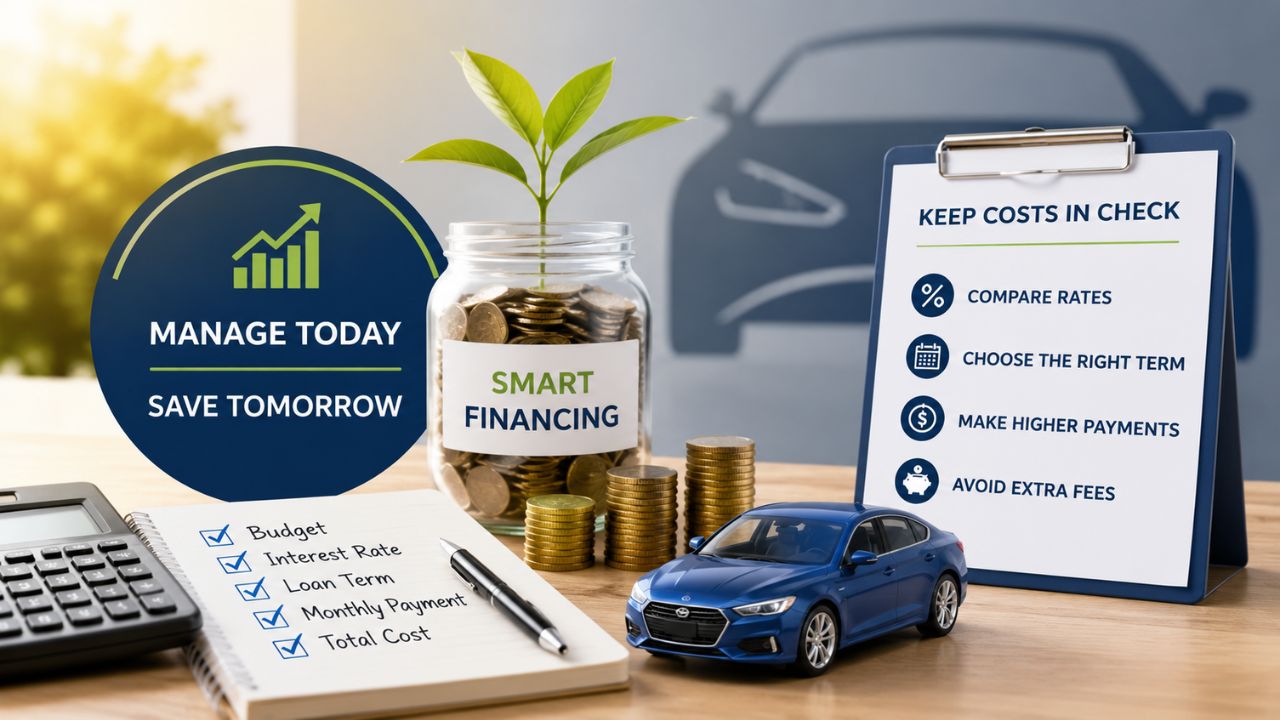
Once you have your loan in place, smart management can save you real money over time.
Make Extra Payments When Possible
Most lease buyout loans allow extra payments without prepayment penalties. Even one additional payment per year can shave months off your loan term and reduce total interest paid.
Refinance If Rates Drop
If interest rates fall significantly after you take out your loan, or if your credit score improves substantially, refinancing your lease buyout loan could lower your monthly payment and overall cost.
Budget for Ownership Costs
Once you buy the car, costs that were previously managed within the lease structure may become your full responsibility. These include maintenance, repairs beyond warranty, and potentially higher insurance coverage. For a comprehensive look at keeping your vehicle payments manageable, see How to Lower Your Car Payment in 2026: 7 Smart Strategies That Actually Work.
Lease Buyout vs. New Car Lease vs. Buying a Different Car
When your lease ends, you have three paths in front of you. Here is how they compare:
| Option | Pros | Cons |
| Lease Buyout | Familiarity, no mileage penalty, possibly below-market price | May overpay if not researched |
| New Lease | Newer model, lower payments, warranty coverage | No equity built, mileage limits restart |
| Buy a Different Car | More choice, can negotiate, build equity | Time-consuming, adjustment to new vehicle |
There is no universally right answer. Your decision should be based on the specific buyout price, the car’s current condition, your financial situation, and your own preferences as a driver.
Frequently Asked Questions About Lease Buyout Loans
Can I get a lease buyout loan with bad credit?
Yes, it is possible, but your options will be more limited and your interest rate will likely be higher. Credit unions and specialized subprime auto lenders are your best bet. A larger down payment can also help offset a lower credit score and may improve your rate.
Is a lease buyout loan the same as a regular auto loan?
They are very similar. Both are secured loans using the vehicle as collateral, and both are repaid in fixed monthly installments. The main difference is that a lease buyout loan is specifically used to purchase a car you have already been leasing, whereas a standard auto loan is used to buy a car from a dealer or private seller.
When should I start the lease buyout process?
Start at least two to three months before your lease ends. This gives you time to get the payoff quote from your leasing company, shop multiple lenders, compare the buyout price to market value, and complete the paperwork without feeling rushed.
Can I negotiate the buyout price?
In most cases, the residual value set in your original lease contract is fixed. However, if you are buying through the dealership rather than directly from the leasing company, there may be some flexibility on fees and add-ons. It never hurts to ask.
What happens if I owe more on my lease buyout loan than the car is worth?
This is called being “underwater” or having negative equity. It can happen if you financed a buyout at a price above market value and the car depreciated further. To avoid this, always verify the car’s current market value before committing to a buyout price, and keep your loan term as short as your budget allows.
Conclusion: Is a Lease Buyout Loan Right for You?
A lease buyout loan is not a one-size-fits-all solution, but for the right person in the right situation, it is an excellent financial tool. If you love your leased vehicle, the buyout price is fair, and you can secure a competitive interest rate, buying out your lease could save you money, spare you the stress of car shopping, and give you a vehicle you already know and trust.
The key is doing your homework before the lease ends. Know your buyout price. Check market values. Shop multiple lenders. Run the numbers on different loan terms. And never feel pressured to accept the first financing offer put in front of you.
Your next step: Get a free payoff quote from your leasing company today, then compare rates from at least two or three lenders. The few hours you invest in that process could translate into thousands of dollars saved over the life of your loan.
Your car, your decision — make it an informed one.